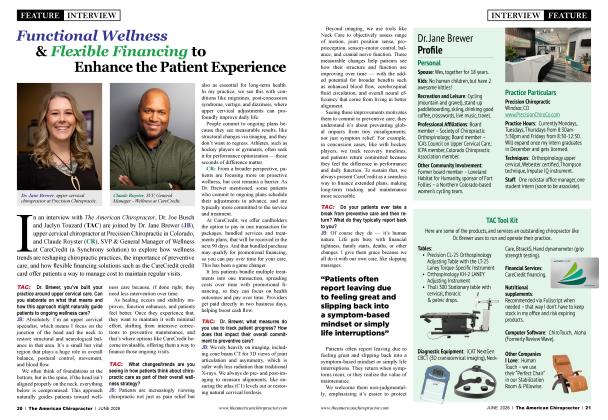
The immune system involves a complex network of organs, tissues, cells, and molecules in the human body. It is the defense department that is constantly working to protect the body from infection and disease. People are constantly exposed to potentially harmful invaders (also called antigens) such as bacteria, fungi, viruses, toxins, and other foreign materials daily. When the body is healthy, the immune system will function normally to prevent these harmful invaders from successfully attacking the body. It recognizes these harmful invaders and elicits immediate action for eradication.
The cells in the immune system originate from the bone marrow and circulate to other organs, tissues, and cells through the blood and lymph1. In a healthy body, the immune system maintains a non-specific barrier that stops harmful invaders from entering. This process is called innate immunity which is the first line of defense from harmful invaders. These barriers include the skin, mucus that traps antigens, stomach acid that destroys antigens, enzymes in our sweat, and tears that help create anti-bacterial compounds and cells in the immune system that attack foreign invaders. When the physical barriers are unable to stop the entry of foreign invaders, the cells in the innate immune system, which are the white blood cells also called leukocytes, are recruited to action.
These leukocytes include the phagocytes in the circulatory system that engulf and destroy the foreign invaders; the macrophages that go beyond the circulatory system and release signals to recruit other cells to the site of infection; the mast cells that are found in mucous and connective tissues that are needed for wound healing, inflammatory response, and the recruit of other cells; the neutrophils which contain toxic granules against bacteria and fungi; eosinophils that release toxic proteins and free radicals to kill bacteria and parasites; the basophils that release histamine for allergic response; natural killer cells that destroy infected cells to stop the spread of the infection; and the dendritic cells in tissues that contact other organs such as the skin, nose, lungs, stomach, and intestines. The dendritic cells identify threats and send messages to the rest of the immune system. They act as a bridge between the innate and the adaptive immune system.
Adaptive or acquired immunity recognizes a specific foreign invader from the past. The adaptive immune response is carried out by white blood cells called lymphocytes. The two broad classes of adaptive immune responses are called antibody response and cell-mediated immune response which are carried out by different classes of lymphocytes called B-cells and T-cells, respectively. In an antibody response, B cells are activated to release specific proteins called antibodies which are classified as immunoglobulins. Antibodies circulate in the bloodstream and pervade body fluids where they specifically bind to foreign invaders that elicited their production. The binding of antibodies to invaders blocks their attachment to host cells making them inactivate. Attachment of the antibodies to the invaders also marks them for destruction by phagocytes.
The cell-mediated immune response is performed by activated T lymphocytes which react directly on foreign invaders that have found their way on the surface of a host cell. In this manner, the T-lymphocytes might kill a virus-infected host cell that has virus antigens on its surface to eliminate the cell before the virus could multiply. The T cells may also produce signal molecules that activate macrophages to destroy the foreign invaders.
A healthy immune system can recognize millions of invading foreign materials and produce what is necessary to eradicate them. An immune system that is working properly can keep health problems at bay from a common cold to cancer. This, however, is the ideal immune system that could weaken from time to time due to certain aspects of life and cause the body to be sick such as alcohol intake, poor diet, age, and the lack of exercise. There is no single remedy to keep the immune system strong but certain activities, nutrition, and lifestyle changes can help maintain and improve immunity for a lifetime2.
To build immunity, one must begin with a healthy lifestyle which consists of exercise and a healthy diet3. Sitting around can cause a decline in the immune system while exercise can help boost it. Fast walking to get the heart rate up for 20 minutes three times a week could help awaken a sluggish immune system. Exercise may help release endorphins which are hormones that affect the brain positively. Exercise may help flush foreign invaders in the lungs and cause the white blood cells to circulate more rapidly so that they could detect foreign invaders earlier. It also slows down the release of stress hormones that could increase the chances of illness. A moderate amount of weekly exercise such as biking, walking for 20-30 minutes three times or more, doing exercises at the gym several days, and other sports activities could help boost the immune system.
A healthy diet can build the immune system through proper nutrition. Immunonutrition studies have shown the effects of food on innate and even adaptive immunity4. Note that adequate and proper nutrition is essential for all cells in the body to function optimally. At the onset of infection, the immune system is activated which increases the demand for optimal nutrition that would lead to the best immunological outcomes. Proper nutrition would allow an effective immune system to respond appropriately and immediately against foreign invaders and resolve the response to avoid any chronic inflammation. Various micronutrients and dietary components have specific roles in the development and maintenance of an effective immune system. A diet that is low in calories and high in nutrients can help make your immune system work well. Aim for a daily diet that is rich in vitamins, minerals, and antioxidants that are found in natural colorful fruits, vegetables, spices, herbs, nuts, and whole grains to boost resistance to infection. Additionally, fish, clams, and other healthy protein sources are rich in omega fatty acids, vitamins (A, B, D), and minerals such as calcium, selenium, phosphorus, iron, zinc, iodine, magnesium, and potassium5,6. The NIH-AARP diet and health study on 420,000 people or more showed a 20% decrease in respiratory death in people who ate seafood7.
"There is no single remedy to keep the immune system strong but certain activities, nutrition, and lifestyle changes can help maintain and improve immunity for a lifetime."
In people who are unable to adequately absorb the nutrients from their food, nutraceutical intake is an alternative to a healthy diet. Nutraceuticals are developed from herbs, food extracts, dietary supplements, or specific diets8. Nutraceuticals have the benefits of easier extraction of the contents compared with food. These contents may have physiological impacts to support various functions of the body, improve health, prevent chronic diseases, delay aging process and increase life expectancy9. When humans age, the young immune system in infants undergo maturation that is potentially optimal in young adults and declines in older people10. Age-related changes such as impaired digestion and nutrient absorption are compounded by health decline due to age as well as due to disease11. Nutraceuticals are a good alternative source of nutrients especially those that enhance immune health which are the antioxidant vitamins (A, B6, B12, C, and D3), Fe, Zn, Cu, and Se.1,12,13,14 Vitamins A and D have been well-documented in their roles on modulation of immune response particularly in lymphocyte activation and proliferation, T-helper-cell differentiation, tissue-specific lymphocyte generation, production of specific antibodies and immune response regulation. 15,16,17 Vitamin C has been the most popular among these vitamins for immune health modulation.18,19 Vitamins B6, B12, and folate are needed in the synthesis and metabolism of amino acids, proteins, and DNA/ RNA.1 Zn and Cu have been found necessary in the normal functioning of the innate immune system.20,21 A supply of Zn and Cu is needed especially at the onset of infection because of their roles in phagocytosis. Systemic movement of Zn, Cu, and Fe during infection allows the activation of innate immunity; Zn has also been observed to suppress inflammatory responses22.
The immune system is influenced by various nutrients in the body. A healthy immune system is necessary for optimal immune function. A properly functioning immune system is controlled by a conglomerate of various events in the body. Supported by exercise and adequate nutrition to supply the energy and the nutrients required for the development, maintenance, and expression of the appropriate immune response at the right time is necessary to stay healthy.
Dr. Zoraida P. Aguilar is currently the Technical Officer of Benedict Bypass Trust, the umbrella company for Bio-Tech Pharmacal, Inc and DB Science in Fayetteville, Arkansas, USA, and the Chief Technology Officer at Zystein, LLC. She received a Ph.D. in Analytical Chemistry from the University of Arkansas, MS in Biochemistry and BS Chemistry from the University of the Philippines. She also served as Chief Technology Officer for a total of more than fifteen years at a biotechnology company, a nanotechnology company and at a sensor technology company. The various products for life sciences applications I developed used all-natural materials, CBD, biodegradable biocompatible nanoparticles, and electrochemistry. Her areas of interest are advances in nanotechnology applications in nutrition, dietary supplements, food, healthcare, and other life sciences. Her expertise on combinations of biodegradable biocompatible nanoparticles and natural products including cannabis extracts has resulted in interesting and useful commercialized products. Dr. Aguilar can be contacted at [email protected].
References:
1. Victoria J. Drake, Immunity in depth, Linus Pauling Institute at Oregon state University, 2010, accessed July 29, 2020. https://lpi. oregonstate.edu/mic/health-disease/immunity
2. How to use your immune system to stay healthy, WebMD, accessed July 27, 2020. https://www.webmd.com/a-to-z-g...
3. Exercise and Immunity, Medline, accessed July 27, 2020. https:// medlineplus.gov/ency/article/007165 .htm#:~:text=Physical%20 activity %20may%20help%20flush,system%20cells%20that%20 fight%20disease.
4. Edwin E. Cooper and Melissa J. Ma, Understanding nutrition and immunity in disease management, Journal of Traditional and Complementary Medicine, 2017, 7(4): 386-391. https://www.ncbi.nlm. nih.gov/pmc/articles/PMC5634735/
5. Caroline E Childs, Philip Calder, Elizabeth A. Miles, Diet and Immune Function. Nutrients. 2019 Aug; 11(8): 1933. https://www. ncbi.nlm.nih.gov/pmc/articles/PMC6723551/
6. Silvia Maggini, Adeline Pierre, and Philip C. Calder, Immune Function and Micronutrient Requirements Change over the Life Course. Nutrients. 2018 Oct 17;10(10). pii: E1531. doi: 10.3390/ mil 0101531 .https://www.ncbi.nhn .nih .gov/pubmedl30336639
7. Zhang Y, Zhuang P, He W, Chen JN, Wang WQ, Freedman ND, Abnet CC, Wang JB, Jiao Association of fish and long-chain omega-3 fatty acids intakes with total and cause-specific mortality: prospective analysis of421 309 individuals. J Intern Med. 2018 Oct;284(4):399-417. doi: 10.1111/joim.12786.https://www.ncbi. nlm.nih.gov/pubmed/30019399
8. Hamid Nasri, Az.ar Baradaran, Hedayatollah Shirzad, and Mahmoud Rafieian-Kopaei, New Concepts in Nutraceuticals as Alternative for Pharmaceuticals, hit J Prev Med. 2014 Dec; 5(12): 1487-1499.
9. Zhao J. Nutraceuticals, Nutritional Therapy, Pliytonutrients, and Phytotherapy for Improvement of Human Health: A Perspective on Plant Biotechnology Application, Recent Patents on Biotechnology, 2007, 1: 75-97. Accessed July 29, 2020. PMID: 19075834 DOI: 10.2174/187220807779813893
10. Camil Castelo-Branco and Iris Soveral, The immune system and aging: A review. Gynecological Endocrinology, 2014,30(1): 16-22. 11. Efraim Jaul and Jeremy Barron, Age-related diseases and clinical and public health implications for the 85 years old and over population, Front Public Health, 2017, 5: 335.
12. Philip C. Calder, Conference on ‘Transforming the nutrition landscape in Africa’ Plenary Session 1: Feeding the immune system, Proceedings of the Nutrition Society, 2013, 72: 299-309 13. Cynthia Aranow, Vitamin D and the immune system, JInvestig Med. 2011, 59(6): 881-886. doi:10.231/JIM.0b013e31821b8755.
14. J. Rodrigo Mora, Makoto Iwata, and Ulrich H. von Andrian, Vitamin effects on the immune system: vitamins A and D take centre stage, Nat Rev Immunology, 2008, 8(9): 685-698. doi:10.1038/ nri2378
15. Zoraida P. Aguilar, Enaya Alhashim, and Vayle Hope R. Benedict, CoVID 19 pathology and vitamin D nanoemulsion as preventive and alternative remediation for severity: A review, European Journal of Biomedical and Pharmaceutical Sciences, 2020, 7(6):488499. Accessed July 29, 2020. https://www.ejbps.com/ejbps/ab...
16. Rondanelli M, Miccono A, Lamburghini S, I Avanzato, A Riva, P Allegrini, MA Faliva, G Peroni, MNichetti, S Perna, Self-Care for Common Colds: The Pivotal Role of Vitamin D, Vitamin C, Zinc, and Echinacea in Three Main Immune Interactive Clusters (Physical Barriers, Innate and Adaptive Immunity) Involved during an Episode of Common Colds-Practical Advice on Dosages and on the Time to Take These Nutrients/Botanicals in order to Prevent or Treat Common Colds. Evid. Based Complement. Alternat. Med. 2018, 5813095.
17. Milinea T. Zdrengliea, Heidi Makrinioti, Cristina Bagacean, Andy Bush, Sebastian L Johnston, Luminita A. Stanciu. Vitamin D modulation of innate immune responses to respiratory viral infections. Rev Med Virol. 2017, 27(1). doi: 10.1002/rmv.1909.
18. Fowler AA, Truwit JD, Hite RD, et al, “Effect of Vitamin C infusion on organ failure and biomarkers of inflammation and vascular injury in patients with sepsis and severe acute respiratory failure, JAMA, 2019, 322(13):1261-1270. doi:10.1001/jama.2019.11825 19. Alexander Strohle and Andreas Hahn, Vitamin C and Immune function, Med Monatsschr Pharm., 2009, 32(2):49-54. MID: 19263912 20. Karrera Y. Djoko, Cheryl-lynn Y. Ong, Mark J. Walker, and Alastair G. McEwan, The role of copper and zinc toxicity in innate immune defense against bacterial pathogens, J Biol Chem, 2015, 290(31): 18954-18961. doi: 10.1074/jbc. R115.647099
21. Inga Wessels, Martina Maywald, and Lothar Rink, Zinc as a Gatekeeper of Immune Function, Nutrients. 2017, 9(12): 1286. doi: 10.3390/nu9121286
22. Ming-Jie Liu 1, Shengying Bao, Marina Gdlvez-Peralta, Charlie J Pyle, Andrew C Rudawsky, Ryan E Pavlovicz, David WKillilea, Clienglong Li, Daniel WNebert, Mark D Wewers, Daren L Knoell, Z1P8 regulated host defense through zinc-mediated inhibition of NF-kB, Cell Rep. 2013 Feb 21; 3(2):386-400.