Fighting Back Against Osteoporosis
CLINICAL EXCELLENCE
Including natural stem cell support
Lynn Toohey
PhD
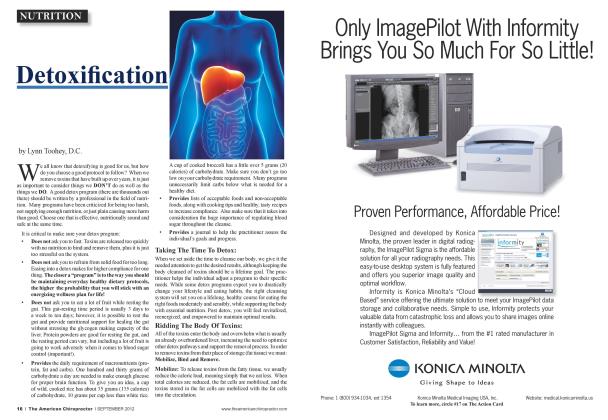
Osteoporosis is when bones become weak and brittle. Osteoclast cells break down bone, and osteoblast cells typically build bone, but with osteoporosis, new bone formation doesn’t keep up with bone removal. We hear less about osteocytes, which are osteoblast cells that become embedded in the matrix it has secreted.
Osteocytes are the most prevalent cells in bone. They regulate bone mineral deposition, play a large role in bone function (regulating osteoblasts and osteoclasts), bone remodeling, production of nerve growth factors after bone fracture, and can send signals to distant organs (similar to the nervous system), such as the kidneys, to regulate phosphate transport. Without enough phosphorus, bones soften, and muscles weaken.
Osteocytes have received recent attention because of their control over bone signaling, mineral deposition, halting of bone loss, and, of course, their role in building new bone. The percentage of dead osteocytes in bone increases with age from less than 1% at birth to 75% after age 80. Reducing the number of osteocytes “leads to faster bone aging and affects the balance of the different cell types required for healthy bone and bone marrow growth.”1
Osteocytes are derived from the mesenchymal stem cells, some of which differentiate into active osteoblasts (which may further differentiate to osteocytes.). Since osteocytes do not divide and replicate, it is important to preserve the existing repertoire of cells. Free radicals are a big destroyer of osteocytes; therefore, antioxidants are a big preserver of osteocyte cells. Besides preserving existing osteocytes, this article will conclude with the supplements, diet/ lifestyle, and alternative methods for encouraging stem cell growth of bone cells. While calcium and vitamin D get all the press when it comes to bone support, the following nutrients are extremely helpful, and some are necessarily synergistic (like vitamin K) for optimal results.
Osteocyte Specific Support:
Vitamin C actually supports bone by several different mechanisms. First, it is a good antioxidant to help go after free radicals that would otherwise destroy osteocytes. In one study that evaluated the effects of vitamin C on osteogenic differentiation, osteoclast fonnation, and bone micro structure, the vitamin C-treated group displayed an increase in the expression of osteoblast differentiation genes, including genes for type I collagen. Vitamin C reduced the expression of osteoclast differentiation genes. Researchers believed that their study was the first to show the influence of vitamin C on osteoporosis and bone regeneration by promoting osteoblast fonnation and blocking osteoclastogenesis by their tested molecular pathway intervention.2
Magnesium has proven to be as important as calcium as a bone nutrient. The balance of magnesium to calcium must be maintained to avoid calcium calcifying or depositing in the arteries. Researchers reported that magnesium and vitamin C supplementation synergistically reduced the apoptosis (cell death) of osteocytes and osteoclast number and increased osteoblast surface. Vitamin C significantly increased a bone fonnation marker, and the combination significantly decreased a bone resorption marker. Oxidative injury was decreased in bone marrow in the vitamin C/magnesium combination group. “The combination supplementation significantly inhibited osteoclast differentiation potential of marrow cells.”3
Vitamin K2 promotes osteoblast-to-osteocyte transition.4 It is a necessary nutrient to supplement with the more well-known bone nutrients calcium and vitamin D. Vitamin D will increase calcium absorption, but vitamin K2 will support the avoidance of deposition into soft tissue, such as the arteries. In fact, vitamin K2 activates a protein called matrix GLA that removes calcium from soft tissues. Vitamin K also activates osteocalcin, which holds calcium to bone, so it is important for mineralization. It is important to take vitamin K in a combination of vitamin Kl, K2-4 and K2-7 to get all the benefits a supplement offers.
Other nutrients are listed in a review done by McCarty et al. (2022), where scientists noted, “There is vast pre-clinical literature suggesting that certain nutraceuticals have the potential to aid the preservation of bone mass.”5
“Since osteocytes do not divide and replicate, it is important to preserve the existing repertoire of cells.”
Several of the listed nutrients mentioned in the review article have mechanisms that specifically affect osteocytes, and all support bone processes. They include taurine, N-acetylcysteine, zinc, potassium, flavonoids (particularly quercetin), biotin, lipoic acid, melatonin, glucosamine sulfate, nicotinamide riboside, and sulforaphane from cruciferous vegetables, as well as the previously mentioned vitamins D and K2 and magnesium.
One study concluded that “improvement of body composition affects the number of stem/progenitor cells in circulation.”
Stem Cell Support
Diet: Eat organically to avoid toxins that impede stem cell growth. Blueberries, raspberries, blackberries, sulforphanecontaining cruciferous vegetables, sprouts, polyphenol/ glycan-containing mushrooms, nuts and seeds, turmeric, fish oil, ginger, etc., and all foods high in vitamin C and D support stem cell growth. Vitamin D supports bone and stem cell growth and helps differentiate stem cells into osteoblasts and osteocytes, while vitamin C promotes proliferation. Spice things up with turmeric; it contains curcumin, which can upregulate bone factors, reduce oxidative stress, and help stem cell function. It has been noted that foods such as red and purple grapes are high in resveratrol, which supports cartilage and helps stem cells differentiate and multiply, but it is nearly impossible to get the amount you would need to optimize health benefits through food alone.
Lifestyle: Alcohol, smoking, and exposure to environmental chemicals all disrupt key pathways in our body’s chemistry as it relates to stem cell function. Some may think that toxic chemical exposure is small until you multiply that by the immense amount we are exposed to daily. Aging is also responsible for the loss of signaling necessary to lay new bone. Antibiotics can injure stem cells and tendon tissue. Anti-inflammatory steroids will flip the switch on stem cells and nix new growth. Nonsteroidals such as ibuprofen and aspirin will affect stem cell growth to a lesser degree, which is all the more reason to entertain alternatives, such as curcumin, boswellia, ginger, quercetin, fish oil, melatonin (see TAC May 2023 article on melatonin and pain), etc. Supplementing with fish oil also helps support triglyceride (TG) levels, and high TGs seem to slow stem cell growth. High blood sugar will do the same (for support, chromium, vanadyl sulfate, gymnema sylvestre, alpha lipoic acid, benfotiamine, etc.). Exercise and weightlifting will stimulate stem cell growth. Short-term calorie restriction or intermittent fasting of 10 to 12 hours overnight (not fasting for days or weeks that depletes nutrient stores) can also be helpful. One study concluded that “improvement of body composition affects the number of stem/progenitor cells in circulation.”6
Chiropractic: Chiropractic stimulates the vagus nervous system, which stimulates the release of acetylcholine (cholinergic) with many benefits, including the effect on an inflammatory environment.7 A study of 21 patients demonstrated that electrical vagus nerve stimulation (VNS) improved bone mineral density (BMD) in the lumbar spine.8 Researchers concluded that their study “could lead to a new application for VNS in the treatment of osteoporosis.” Other studies have shown that cholinergic stimulation could decrease fracture risk.9
Electrical or chiropractic stimulation of the vagus nerve has an added benefit of being noninvasive and overcoming the hurdles of surgical implants that affect migration, proliferation, maturation, and integration of the stem cells. Additionally, the vagus nerve also innervates the thyroid gland and kidneys and potentially contributes to bone remodeling through the regulation of these organs.10
Hyperbaric oxygen (HBO) treatment has been reported to increase stem cell growth after 20 or so treatments and considered helpful support for osteoporosis. Bones are controlled by an electrical network of force sensors; physical impact of the foot when walking activates these force sensors, and when bone is under pressure, the stem cells that turn into osteoblasts/osteoclasts are stimulated by these sensors. HBO is a form of pressure that helps bone formation via osteogenic differentiation of bone marrow stromal cells (BMSCs), regulated by Wnt3a/p-catenin signaling.11 If you’ll remember, this signaling pathway was involved in the bone support mechanism of vitamin C, the first nutrient listed in this article for osteocyte support.
In summary, several nutrients and lifestyle practices can support bone health. In the limited scope of this article, some of these practices have been presented to hopefully contribute to a healthy approach to maintaining our skeletal structure.
Dr. Lynn Toohey organizes seminars, acts as a nutritional consultant to Nutri-West (www. nutriwest. com) and authored the Functional Health Evaluation program that analyzes blood tests and DNA raw data (www.FHEcloud.com). Dr. Toohey can be reached at [email protected].
References
1. Ding P, Gao C, Gao Y, Liu D, Li H, Xu J, Chen X, Huang Y, Zhang C, Zheng M, Gao J. Osteocytes regulate senescence of bone and bone marrow. Elife. 2022 Oct 28;ll:e81480. doi: 10.7554/eLife.81480. PMID: 36305580; PMCID: PMC9678362.
2. Choi HK, Kim GJ, Yoo HS, Song DH, Chung KH, Lee KJ, Koo YT, An JH. Vitamin C activates osteoblastogenesis and inhibits osteoclastogenesis via Wnt/p-Catenin/ATF4 signaling pathways. Nutrients. 2019 Feb 27;11(3):506. doi: 10.3390/nul 1030506. PMID: 30818817; PMCID: PMC6471534.
3. Zheng LZ, Wang JL, Xu JK, Zhang XT, Liu BY, Huang L, Zhang R. Zu HY, He X, Mi J, Pang QQ, Wang XL, Ruan YC, Zhao DW, Qin L. Magnesium and vitamin C supplementation attenuates steroid-associated osteonecrosis in a rat model. Biomaterials. 2020 Apr;238:119828. doi: 10.1016/j. biomaterials.2020.119828. Epub 2020 Jan 31. PMID: 32045781; PMCID: PMC7185815.
4. Atkins GJ, Welldon KJ, Wijenayaka AR, Bonewald LF, Findlay DM. Vitamin K promotes mineralization, osteoblast-toosteocyte transition, and an anticatabolic phenotype by {gamma}-carboxylationdependent and -independent mechanisms. Am J Physiol Cell Physiol. 2009 Dec;297(6):C 1358-67. doi: 10.1152/ajpcell.00216.2009. Epub 2009 Aug 12. PMID: 19675304.
5. McCarty MF, Lewis Lujan L, Iloki Assanga S. Targeting Sirtl, AMPK, Nrf2, CK2, and soluble guanylate cyclase with nutraceuticals: a practical strategy for preserving bone mass. Int J Mol Sci. 2022 Apr 26;23(9):4776. doi: 10.3390/ijms23094776. PMID: 35563167; PMCID: PMC9104509.
6. Mikirova NA, Casciari JJ, Hunninghake RE, Beezley MM. Effect of weight reduction on cardiovascular risk factors and CD34-positive cells in circulation. Int JMed Sci. 2011;8(6):445-52. doi: 10.7150/ijms.8.445. Epub 2011 Aug E PMID: 21850193; PMCID: PMC3156990.
7. Johnson RL, Wilson CG. A review of vagus nerve stimulation as a therapeutic intervention. JInflamm Res. 2018 May 16;11:203-213. doi: 10.2147/JIR.S 163248. PMID: 29844694; PMCID: PMC5961632.
8. Tamimi A, Tamimi F, JuweidM, Al-QudahAA, AlMasriA, Dahbour S, A1 Bahou Y, Shareef A, Tamimi I. Could vagus nerve stimulation influence bone remodeling? J Musculoskelet Neuronal Interact. 2021 Jun l;21(2):255-262. PMID: 34059570; PMCID: PMC8185259.
9. Tamimi I, Nicolau B, Eimar H, Arekunnath Madathil S, Kezouh A, Karp I, Tamimi F. Acetylcholinesterase inhibitors and the risk of osteoporotic fractures: nested case-control study. Osteoporos Int. 2018 Apr;29(4):849-857. doi: 10.1007/s00198-017-4346-z. Epub 2017 Dec 20. Erratum in: Osteoporos Int. 2019 Apr 15; PMID: 29264626.
10. Baquiran M, Bordoni B. Anatomy, head and neck: anterior vagus nerve. 2023 Aug 8. In: StatPearls [Internet], Treasure Island (FL): StatPearls Publishing; 2023 JanPMID: 31613476.
11. Lin SS, Ueng SW, Niu CC, Yuan LJ, Yang CY, Chen WJ, Lee MS, Chen JK. Hyperbaric oxygen promotes osteogenic differentiation of bone marrow stromal cells by regulating Wnt3a/p-catenin signaling: an in vitro and in vivo study. Stem Cell Res. 2014 Jan;12(l):260-74. doi: 10.1016/j.scr.2013.10.007. Epub 2013 Nov 1. PMID: 24291646.