Shockwave Therapy’s Expanding Role in Tendon Remodeling and Chronic Overuse Injuries
Shockwave Therapy’s Expanding Role in Tendon Remodeling and Chronic Overuse Injuries
Redefining Soft-Tissue Rehabilitation
Shockwave Therapy’s Expanding Role in Tendon Remodeling and Chronic Overuse Injuries
“Tendons exposed to rESWT show improved fiber alignment and mechanical strength during follow-up imaging. ”
MUSCULOSKELETAL MEDICINE CONTINUES TO EVOLVE TOWARD treatment models that emphasize tissue regeneration, functional restoration, and long-term outcomes rather than temporary symptom relief.
Radial extracorporeal shockwave therapy (rESWT) plays a central role in that shift, with mounting evidence supporting its ability to stimulate biological repair mechanisms and reverse chronic soft-tissue pathology As shockwave therapy becomes increasingly integrated into chiropractic and rehabilitative settings, new research and advanced clinical protocols are shaping how — and why — providers are using this modality.
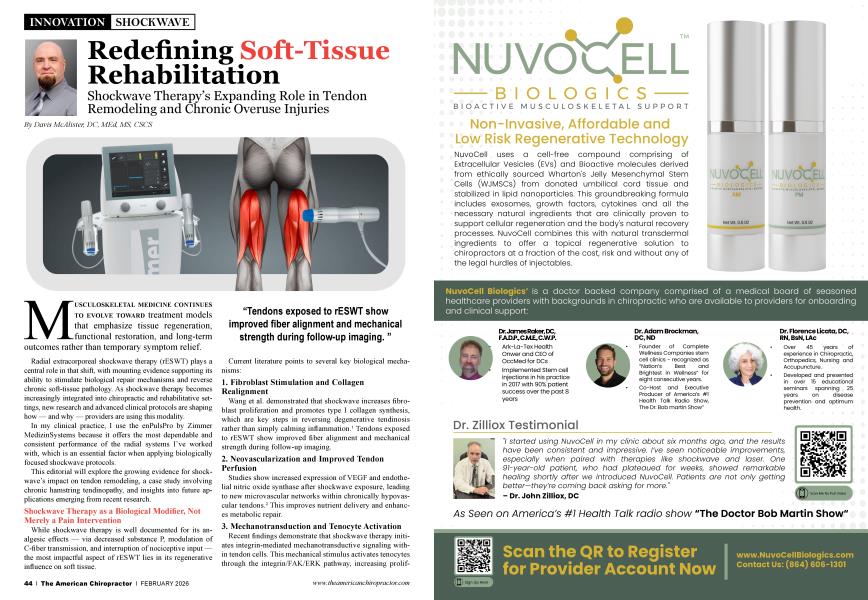
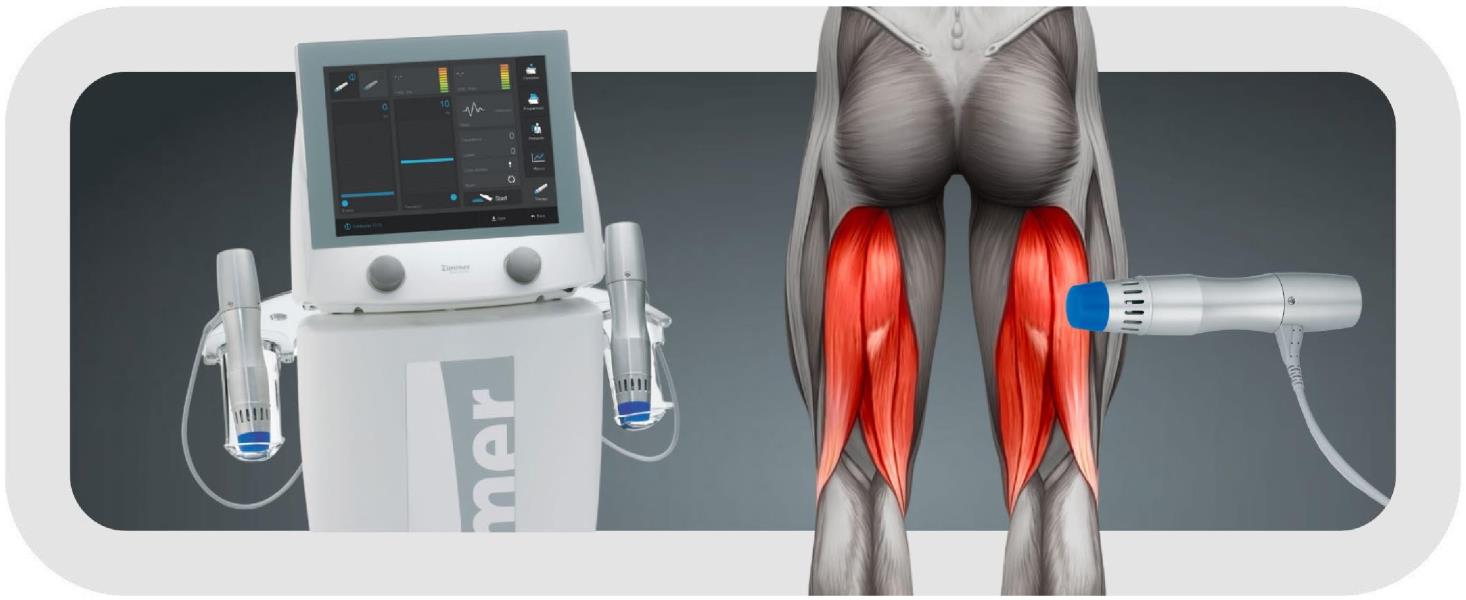
In my clinical practice, I use the enPulsPro by Zimmer MedizinSystems because it offers the most dependable and consistent performance of the radial systems I’ve worked with, which is an essential factor when applying biologically focused shockwave protocols.
This editorial will explore the growing evidence for shockwave’s impact on tendon remodeling, a case study involving chronic hamstring tendinopathy, and insights into future applications emerging from recent research.
Shockwave Therapy as a Biological Modifier, Not Merely a Pain Intervention
While shockwave therapy is well documented for its analgesic effects — via decreased substance P, modulation of C-fiber transmission, and interruption of nociceptive input — the most impactful aspect of rESWT lies in its regenerative influence on soft tissue.
Current literature points to several key biological mechanisms:
Wang et al. demonstrated that shockwave increases fibroblast proliferation and promotes type I collagen synthesis, which are key steps in reversing degenerative tendinosis rather than simply calming inflammation.1 Tendons exposed to rESWT show improved fiber alignment and mechanical strength during follow-up imaging.
Studies show increased expression of VEGF and endothelial nitric oxide synthase after shockwave exposure, leading to new microvascular networks within chronically hypovascular tendons.2 This improves nutrient delivery and enhances metabolic repair.
Recent findings demonstrate that shockwave therapy initiates integrin-mediated mechanotransductive signaling within tendon cells. This mechanical stimulus activates tenocytes through the integrin/FAK/ERK pathway, increasing proliferation, enhancing metabolic activity, and accelerating extracellular matrix turnover — effectively helping to “reset” chronic degenerative tissue.3
Beyond local effects, rESWT has been shown to influence central pain processing, reducing hyperalgesia in chronic overuse injuries.4 This may explain why patients with long-standing symptoms often respond favorably even after other conservative interventions fail.
“Chronic tendinosis is degenerative, not inflammatory.”
While plantar fasciitis and lateral epicondylitis remain the most researched indications, hamstring tendinopathy, particularly proximal hamstring tendinopathy (PHT), is gaining attention because of its prevalence among runners, lifters, and athletes performing repetitive hip hinge movements.
Patient Profile: A 42-year-old recreational endurance athlete and strength-conditioning enthusiast presented with a year-long history of deep gluteal/posterior thigh pain aggravated by running, squatting, and prolonged sitting. Prior treatments included stretching, NSAIDs, manual therapy, and therapeutic exercise, producing only transient improvement.
Assessment:
• Palpable tenderness at the ischial tuberosity.
• Pain with passive hip flexion at end range.
• Weakness during eccentric hip extension.
• MRI from referring orthopedists showed low-grade degenerative tendinopathy without tearing.
Treatment was performed using a radial shockwave system (enPulsPro, Zimmer MedizinSystems), adjusting energy and frequency according to symptom irritability and depth of the proximal hamstring tendon.
Shockwave Treatment Protocol:
• Location: Proximal hamstring tendon origin.
• Pulses: 2,000 to 3,000 per session.
• Frequency: 8 to 12 Hz.
• Energy: 60 to 140 mJ, depending on symptom irritability.
• Schedule: Once weekly for five sessions.
• Treatment combined with eccentric loading and isometric progressions.
Outcome:
• 40% reduction in pain by week two.
• 70% reduction in pain by week five.
• Return to light running at week six.
• Full return to training without pain at 12-week follow-up.
• Functional improvement confirmed by lower extremity functional scale (LEFS), improving from 52/80 to 74/80.
This case aligns with current research; Cacchio et al. reported significant improvements in PHT patients treated with shockwave versus standard physiotherapy, with results maintained at the 12-month follow-up.5
Emerging Findings Worth Noting:
A 2024 review showed significant improvements in pain pressure thresholds among patients with active myofascial trigger points, which is an area of interest for chiropractors integrating manual therapy with rESWT.6
Newer research emphasizes that the greatest long-term outcomes occur when rESWT is paired with progressive loading, particularly eccentric loading, reinforcing the idea that shockwave should enhance, not replace, active rehabilitation.
Recent studies using elastography have shown measurable improvements in tendon stiffness and elasticity following shockwave treatment, confirming physiological — not just symptomatic — change.7
Several systematic reviews have noted that shockwave matches or outperforms corticosteroid injections for tendinopathies at six to 12 months without tissue-degeneration risks.8
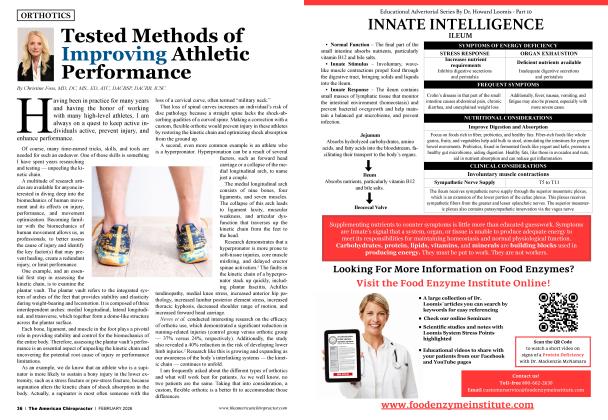
Chronic tendinosis is degenerative, not inflammatory. Shockwave’s biological effects help normalize tissue architecture where modalities like ultrasound or ice often fall short.
Clinicians should pair shockwave with eccentric loading, isometric pain-reduction protocols, and progressive strengthening. 3. Patient Education Is Critical
Because rESWT stimulates biological change, improvements often progress over weeks. Setting expectations avoids premature dropout.
For example:
• Low energies for acute reactive tendinopathy.
• Medium energies for chronic degenerative cases.
• Higher energies for calcific tendinopathy.
Modern radial systems, such as the enPulsPro, allow clinicians to adjust energy ranges appropriate for reactive versus degenerative tendinopathy, which is especially helpful when treating mixed chronic presentations.
The current trajectory of research suggests that shockwave therapy will continue expanding into new indications, including:
• Hamstring and adductor tendinopathies
• Gluteal tendinopathy
• Chronic wrist flexor/extensor tendinopathy
• Post-surgical scar tissue remodeling
• Nerve entrapment syndromes (emerging evidence)
As clinicians continue to seek noninvasive options with strong evidence and minimal risk profiles, rESWT stands out as a modality that corrects underlying pathology — not just symptoms.
Shockwave therapy continues to demonstrate significant value in the treatment of chronic soft-tissue injuries, particularly in tendon remodeling and overuse syndromes. As evidence evolves, chiropractors are uniquely positioned to combine rESWT with active rehabilitation strategies to deliver restorative, long-lasting outcomes for patients.
In my own practice, using a dependable radial platform, such as the enPulsPro by Zimmer MedizinSystems, has supported this integration. By deepening our understanding of its biological effects and expanding its clinical applications, shockwave therapy will remain a cornerstone of evidence-based conservative musculoskeletal care.
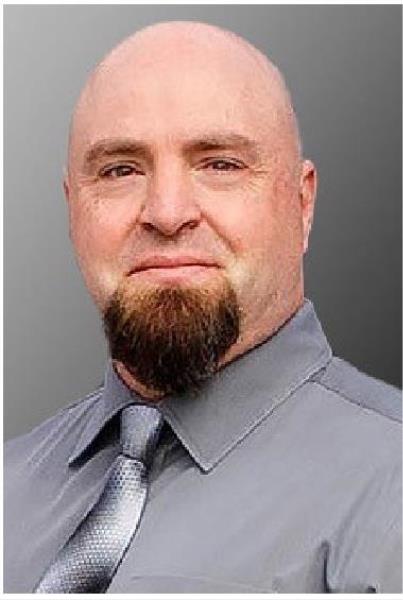
Davis McAlister, DC, MEd, MS, CSCS, is a sports performance chiropractor, educator, author, and national speaker specializing in evidence-based musculoskeletal rehabilitation, practice management, veteran issues, and leadership development. He is a clinic faculty doctor at Parker University and is a consultant for healthcare and business operations. Dr. McAlister is also a key speaker for Zimmer MedizinSystems. Learn more about this technology at www.ZimmerUSA.com or by calling 800-327-3576. For more information info@drdavismcalister. com or visit www.drdavismcalister.com.
1. Wang CJ. Extracorporeal shockwave therapy in musculoskeletal disorders. J Orthop Surg Res. 2012 Mar 20:7:11. doi: 10.1186/1749799X-7-11. PMID: 22433113; PMCID: PMC3342893.
2. Reilly JM, Bluman E, Tenforde AS. Tendon structure and function in tendinopathy. Phys Med Rehabil Clin NAm. 2019.
3. Cheng, J., Wang, C., Sun, R., Wang, E, & Shi, L. (2020). Shock -wave enhances tenocyte proliferation via the integrin/FAK/ERK signaling pathway. Journal of Cellular Physiology, 235(4), 3160-3171. https://doi.org/10.1002/jcp.29...
4. Notarnicola A, Moretti B. The biological effects of extracorporeal shock wave therapy (eswt) on tendon tissue. Muscles Ligaments Tendons J. 2012 Jun 17;2(l):33-7. PMID: 23738271; PMCID: PMC3666498.
5. Cacchio A, Rompe JD, Furia JP, Susi P, Santilli V, De Paulis F. Shockwave therapy for the treatment of chronic proximal hamstring tendinopathy in professional athletes. Am J Sports Med. 2011 Jan;39(l): 146-53. doi: 10.1177/0363546510379324. Epub 2010 Sep 20. PMID: 20855554.
6. Rahbar M et al. Effectiveness of ESWT in myofascial pain syndrome. Pain Physician. 2024.
7. Wu Y et al. Elastographic findings in tendinopathy after shockwave therapy. Clin Imaging. 2023.
8. Mani-Babu S, Morrissey D, Waugh C, Screen H, Barton C. The effectiveness of extracorporeal shock wave therapy in lower limb tendinopathy: a systematic review. Am J Sports Med. 2015 Mar;43(3):75261. doi: 10.1177/0363546514531911. Epub 2014 May 9. PMID: 24817008.