AS CHIROPRACTORS, WE ARE ALREADY COMFORT -able thinking in terms of neurology. That understanding is critical with concussion care, and balance is at the center of the conversation.
After a concussion, the brain’s ability to integrate visual, vestibular, and proprioceptive information is often disrupted. The result is dizziness, unsteadiness, and subtle gait changes that may persist long after headaches and obvious cognitive symptoms have faded.
Dynamic balance testing has revealed just how closely these systems are linked to concussion risk and recovery. A prospective cohort study in The American Journal of Sports Medicine found that athletes with poorer dynamic balance at preseason baseline were significantly more likely to sustain a sports-related concussion during the season.1 This indicates that balance is a sensitive marker of neurologic compromise and a potential modifiable risk factor.
Once a concussion has occurred, balance impairments frequently travel together with cognitive changes. In a clinical series of adolescents referred for vestibular physical therapy after concussion, Alsalaheen and colleagues reported significant correlations between memoiy scores and multiple balance measures, including gait and sensory organization testing.
Those young patients did not simply feel “off.” Their objective balance performance mirrored their cognitive difficulties, underscoring the need for an integrated, brain-based rehabilitation strategy.
Emerging vestibular rehabilitation literature enforces what many of us see in practice. A randomized controlled trial by Kontos et al. showed that a four-week precision vestibular rehabilitation program in adolescents with concussion-related vestibular symptoms produced greater improvements in balance and symptom burden than behavioral management alone.2 Systematic reviews now conclude that vestibular and balance-focused therapy can reduce dizziness and improve function in patients with post-concussion symptoms, especially when delivered as part of a multimodal approach.3
For a chiropractic office, this convergence of evidence points to a powerful clinical and business opportunity. Structured balance assessment and targeted balance therapy fit naturally within a neurologically focused, movement-based model of care. They allow you to serve athletes, youth, and adults who are struggling with lingering post-concussion symptoms, while adding a specialized service line that can stand on its own as a meaningful new revenue stream.
The science is increasingly clear. Balance is not optional in concussion management. It is a vital sign of brain health that chiropractors are uniquely positioned to assess and rehabilitate.
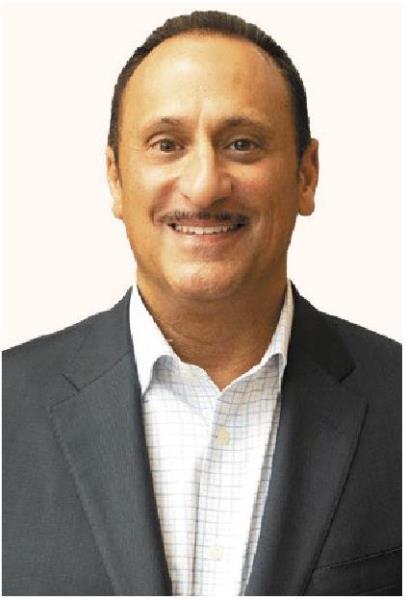
Dr. Moe Pisciottano is the CEO of the Pro-Adjuster Group and has been a practicing chiropractor in Pittsburgh, Pennsylvania, for 35 years. Dr. Pisciottano is the first and only chiropractor to receive the coveted Ernst and Young Entrepreneur of the Year award. To learn more, visit LearnProAdjuster.com.
1. Johnston W, O'Reilly M, Duignan C, Liston M, McLoughlin R, Coughlan GF, Caulfield B. Association of dynamic balance with sports-related concussion: a prospective cohort study. Am J Sports Med. 2019 Jan;47(l): 197-205. doi: 10.1177/0363546518812820. Epub 2018 Dec 3. PMID: 30501391.
2. 2. Kontos AP, Eagle SR, Mucha A, Kochick V, Reichard J, Moldolvan C, Holland CL, Blaney NA, Collins MW. A randomized controlled trial of precision vestibular rehabilitation in adolescents following concussion: preliminary findings. J Pediatr. 2021 Dec;239:193-199. doi: 10.1016/j.jpeds.2021.08.032. Epub 2021 Aug 25. PMID: 34450120.
3. 3. Gal eno E, Pullano E, Mourad F, Galeoto G, Frontani F. Effectiveness of vestibular rehabilitation after concussion: a systematic review of randomised controlled trial. Healthcare (Basel). 2022 Dec 28;ll(l):90. doi: 10.3390/healthcarell010090. PMID: 36611549; PMCID: PMC9819464.