WE ALL KNOW THAT GLUCOSE CAN BE USED FOR ENERGY and that it is used in the Krebs Cycle to make ATP and energy. But what about ribose, the rising nutritional star being utilized for energy recovery?
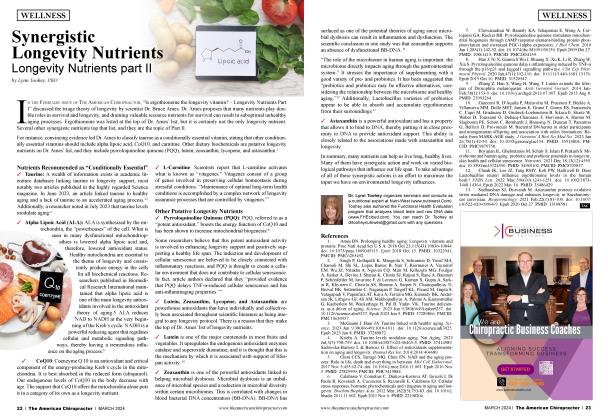
Ribose is a naturally occurring pentose (five-carbon sugar) involved in energy production from a different pathway known as the pentose phosphate pathway (PPP). The PPP is similar to the glycolysis route that turns glucose into ATP and energy, but it is an alternative pathway for making energy. The PPP also generates NADPH, a critical cofactor in anabolic reactions and antioxidant defense, in addition to being a key factor being studied for longevity.1
“When individuals take supplemental ribose, it can bypass part of the pentose pathway to produce D-ribose-5-phosphate for the production of energy. Supplemental ribose has been shown to improve cellular processes when there is mitochondrial dysfunction.”2
Ribose is a crucial sugar that is essential for the synthesis, storage, and transfer of energy within cells. It is involved in muscle contraction and nerve impulses.
Unlike glucose, ribose is involved in energy production and the building blocks of RNA. In fact, it is a core component of the nucleotides that make up those building blocks, and ribose is needed for the adenosine portion of adenosine triphosphate (ATP).
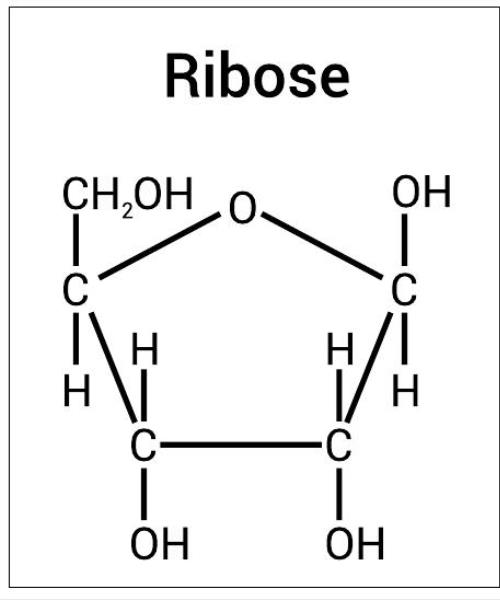
Supplemental D-ribose has gained interest because of its potential effect on energy recovery, where there is cellular energy depletion, and cellular energy depletion with resulting fatigue seems to have skyrocketed since Covid 19. Clinical studies suggest that ribose supplementation may benefit individuals with fatigue by accelerating the recovery of ATP levels.
A trial of 26 subjects who were depleted in ATP following prolonged high-intensity exercise demonstrated that ribose supplementation allowed for maintenance of exercise performance, as well as lower levels of creatine kinase (catabolic marker) and perceived exertion.3
Another study showed that supplemental ribose enhanced recovery of high-energy phosphates following stress, reduced free-radical formation during exercise that can cause cellular damage, and inhibited the breakdown of adenine nucleotides.4 In other studies, ribose received stellar marks for studies on heart energy5-6 and gut energy.7 The study on gut energy also showed improved mobility and potential for weight balance support.
Ribose is a critical sugar used in energy metabolism and nucleotide biosynthesis. Its presence in ATP and other nucleotides emphasizes its importance, especially when complaints of fatigue and lack of energy are rampant in our society. Through its synthesis in the pentose phosphate pathway and possible supplementation, ribose may offer therapeutic support for energy recovery.

Dr. Lynn Toohey organizes seminars, acts as a nutritional consultant to Nutri-West (www.NutriWest.com) and authored the Functional Health Evaluation program that analyzes blood tests and DNA raw data (www.FHEcloud.com). Dr. Toohey can be reached at [email protected] with any questions.
1. Nelson DL, Cox M. Lehninger principles of biochemistry. New York City: W. H. Freeman; 2000.
2. Mahoney DE, Hiebert IB, Thimmesch A, Pierce IT, Vacek JL, Clancy RL, Sauer AJ, Pierce ID. Understanding D-ribose and mitochondrial function. Adv Biosci Clin Med. 2018;6(l):l-5. doi: 10.7575/aiac.abcmed.v.6n.lp.l. PMID: 29780691; PMCID: PMC5959283.
3. Seifert JG, Brumet A, St Cyr JA. The influence of D-ribose ingestion and fitness level on performance and recovery. J Int Soc Sports Nutr. 2017 Dec 20;14:47. doi: 10.1186/S12970-017-0205-8. PMID: 29296106; PMCID: PMC5738882.
4. Addis P, Shecterle LM, St Cyr JA. Cellular protection during oxidative stress: a potential role for D-ribose and antioxidants. J Diet Suppl. 2012 Sep;9(3):17882. doi: 10.3109/19390211.2012.708715. PMID: 2289199O.Ther Adv Cardiovasc Dis. 2015 Jun;9(3):56-65.
5. Shecterle LM, Terry KR, St Cyr JA. The patented uses of D-ribose in cardiovascular diseases. Recent Pat Cardiovasc DrugDiscov. 2010 Jun;5(2): 138-42. doi: 10.2174/157489010791515241. PMID: 20236088.
6. Liu Y, Li TR, Xu C, Xu T. Ribose accelerates gut motility and suppresses mouse body weight gaining. Int J Biol Sci. 2016 Apr 28;12(6):701-9. doi: 10.7150/ ijbs.13635. PMID: 27194947; PMCID: PMC4870713.